
Creating the perfect wine cellar requires more than just a cool basement room and some wooden racks. Whether you're a serious collector or an enthusiastic hobbyist, understanding the essential features that protect and age your wine properly ensures your investment remains valuable and your bottles reach their full potential.
Temperature Control: The Foundation of Wine Storage
The most critical element of any residential wine cellar is consistent temperature control. Wine thrives at temperatures between 12-16°C (55-60°F), with minimal fluctuation throughout the year. Even small temperature swings can cause wine to expand and contract, potentially pushing corks out or allowing air to seep in.
Professional wine cellar cooling systems provide the precise climate control necessary for long-term storage. Companies like Winemaster Australia specialize in designing cooling solutions tailored to your cellar's size, insulation, and location. These systems maintain stable temperatures regardless of external weather conditions, ensuring your collection remains protected year-round.
Optimal Humidity Levels
While temperature gets the most attention, humidity plays an equally vital role. The ideal range sits between 60-70% relative humidity. Too little humidity causes corks to dry out, shrink, and allow oxygen to spoil your wine. Excessive humidity promotes mold growth and damages labels.
Quality cooling systems include built-in humidity control, but standalone humidifiers or dehumidifiers may be necessary depending on your climate. During home wine cellar installation, professionals assess your environment and recommend appropriate humidity management solutions.
Proper Insulation and Vapor Barriers
Your cellar's insulation determines how efficiently your cooling system operates and how stable your environment remains. Walls, ceilings, and doors should be well-insulated to prevent heat transfer from surrounding areas. Vapor barriers prevent moisture from penetrating insulation, which could compromise its effectiveness and promote mold growth.
Professional installers ensure your cellar is properly sealed before installing cooling equipment. This preparation significantly reduces energy costs and extends the lifespan of your wine cellar cooling systems.
Appropriate Lighting
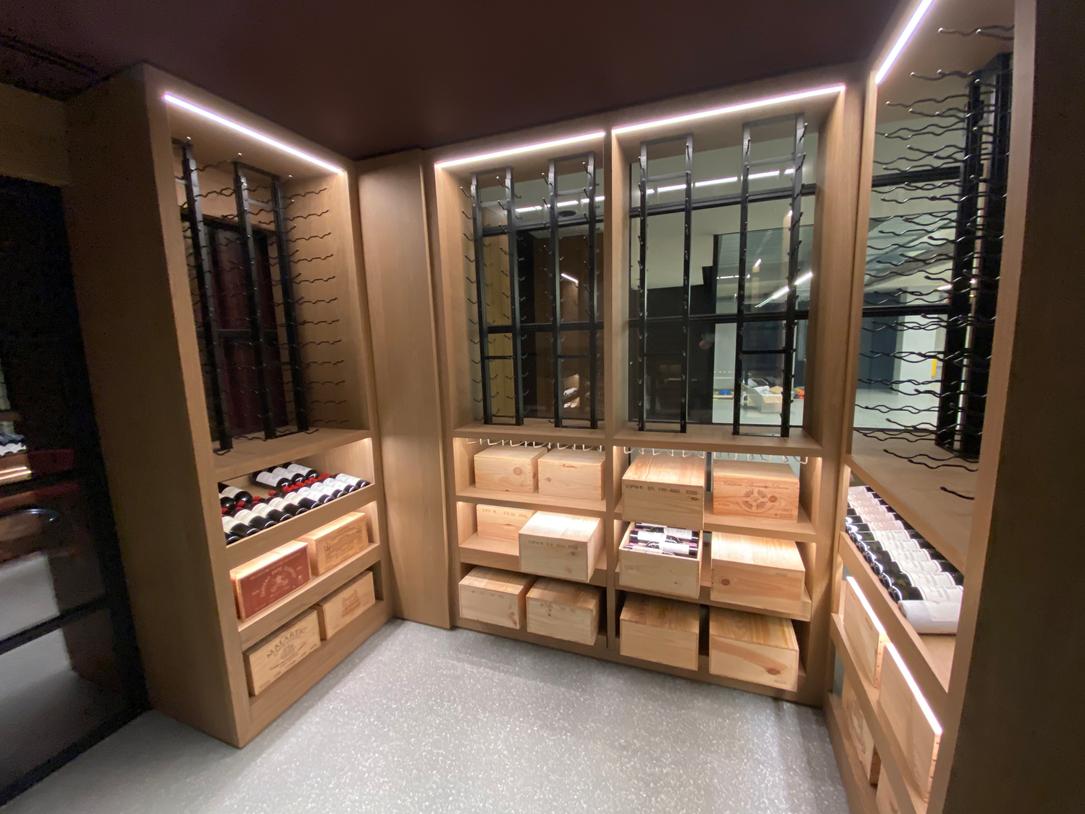
Wine is photosensitive—ultraviolet rays break down compounds in wine, causing premature aging and off-flavors. The perfect cellar uses LED lighting with minimal UV emission, installed on motion sensors or dimmers to limit exposure time. Natural light should be completely eliminated through proper door seals and window coverings.
Vibration-Free Environment
Constant vibration disturbs sediment in wine and can accelerate chemical reactions, negatively affecting aging. Your cellar should be located away from heavy machinery, appliances, and high-traffic areas. Cooling units should be mounted on vibration-dampening materials to minimize mechanical disturbance.
Efficient Storage Configuration
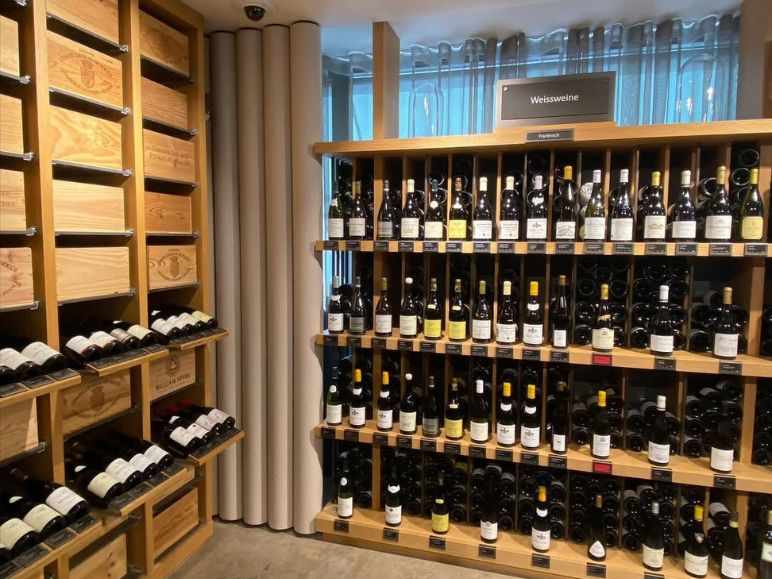
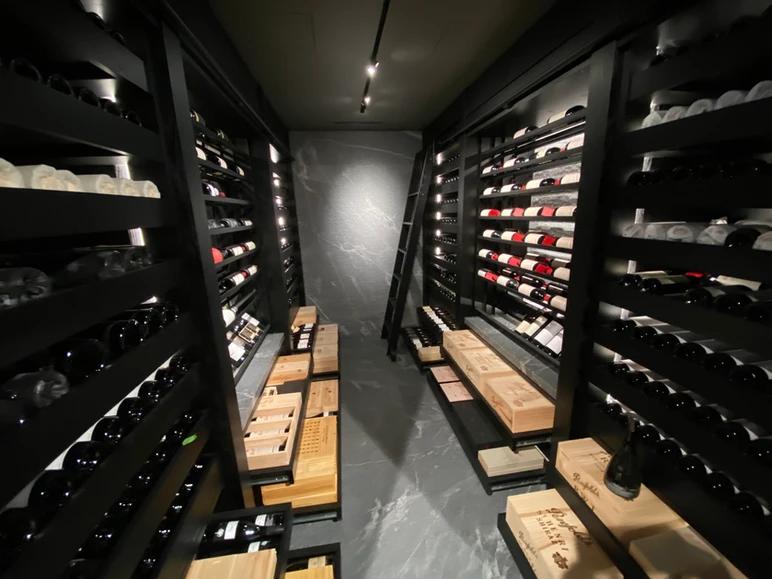
Smart storage maximizes capacity while maintaining accessibility. Racking systems should accommodate various bottle sizes, from standard Bordeaux to larger formats. Consider incorporating:
Diamond bins for bulk storage
Individual bottle slots for premium wines
Display rows for showcasing special bottles
Pull-out shelving for easy access
Regular Maintenance Protocols
Even perfectly designed cellars require ongoing attention. Wine cellar maintenance includes monitoring temperature and humidity levels, cleaning cooling system filters, inspecting door seals, and rotating inventory. Establishing a maintenance schedule prevents small issues from becoming costly problems.
Schedule annual professional inspections to ensure cooling systems operate efficiently and identify potential problems before they affect your collection.
Security and Access Control
Valuable collections deserve protection. Consider installing locks, security cameras, or alarm systems. Climate monitoring systems with smartphone alerts notify you immediately if temperature or humidity drifts outside acceptable ranges, allowing quick intervention before damage occurs.
Conclusion
Building the perfect wine cellar requires careful planning and attention to multiple interconnected systems. From selecting appropriate wine cellar cooling systems to ensuring proper insulation during home wine cellar installation, each element contributes to creating an environment where wine matures gracefully. Whether you're working with specialists like Winemaster Australia or planning a DIY project, prioritizing these essential features ensures your residential wine cellar protects and enhances your collection for decades to come. Investing in quality components and professional installation pays dividends through preserved wine quality and peace of mind.


Write a comment ...